

The Right Way to Care for Sensitive Skin, and Does Using Baby Products Really Help?
Understanding Sensitive Skin
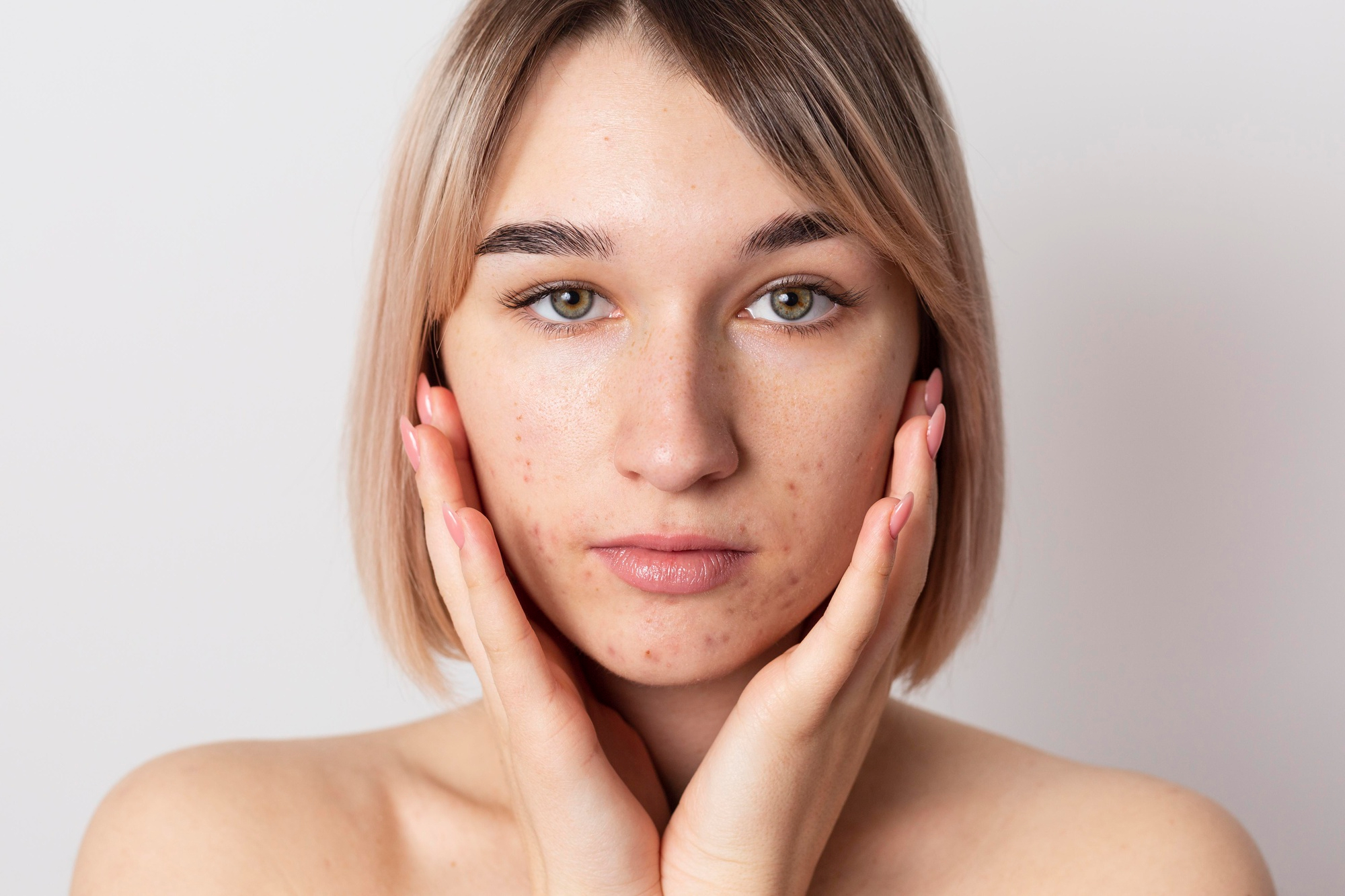
Sensitive skin is a concern for many people and can occur in anyone, regardless of gender or age. Some people naturally have thinner, more delicate skin, while others may have experienced allergic reactions or a buildup of irritation that has weakened their skin, causing it to become more easily irritated and reactive than before. People with sensitive skin tend to notice their skin becoming drier and flakier, or more prone to redness. This is because the skin's protective barrier can no longer shield it from external harm or retain moisture as well as it should. In more severe cases, stinging or itching may also occur.
Causes of Sensitive Skin
The causes of sensitive skin include internal factors, such as each person's inherited skin characteristics, and several common external factors, such as improper skincare practices, frequent hot showers, and using skincare products that aren't suited to one's skin and contain irritants that damage the skin's protective barrier — eventually turning skin that was once healthy into sensitive skin. When exposed to environmental triggers such as pollution, dust, smoke, sunlight, sweat, or unsuitable products, irritation can worsen and lead to other skin problems as well.
How to Properly Care for Sensitive Skin
For those with sensitive skin, skincare should avoid hot water and use gentle products. Especially when wearing makeup, choose a water-based, alcohol-free makeup remover. It's even better if it contains skin-nourishing ingredients like vitamin E and almond water to add moisture, as these help reduce irritation without drying out the skin.
If You Have Sensitive Skin, Do You Really Need to Use Only Baby Products?
You just want your skin to finally cooperate, but it's so delicate and sensitive that you end up relying on baby products, believing them to be gentle on the skin and non-irritating — so you don't dare risk using regular products, right?
In reality, if we understand our skin issues from the start, we can choose products that suit us. First, we need to observe which chemical or natural substances we tend to react to, since sensitive skin often reacts to various triggers and can even react to the most unexpected things. So the best way to protect yourself is to know what you're allergic to and check the ingredients before buying. With just this, friends with sensitive skin can find products that suit them without having to rely on baby products.
Dr. Piraya Thamrongtheerakul
Dermatologist and Anti-Aging Medicine Specialist, BNH Hospital

Weather Allergies: Another Key Cause of Sensitive Skin
A weather-allergy rash is a skin condition that often accompanies weather-related allergies. The causes of weather allergies include seasonal factors that increase the spread of allergens in the air, such as pollen allergies, or year-round allergies caused by environmental allergens such as dust and dust mites, which can trigger an allergic rash. This rash is often triggered in winter, when dry air causes itching and allergic reactions.
Nowadays, weather-allergy rashes can also result from inhaling irritants or various forms of pollution — especially when fine particulate matter with a diameter of no more than 2.5 microns (PM 2.5) exceeds standard levels. This toxic dust is generated by everyday human activities, such as exhaust fumes and waste burning. Because this dust stimulates the production of free radicals and reduces antioxidant levels, prolonged exposure weakens the skin, making it more prone to itchy, allergic rashes and irritation, which in turn can lead to weather-allergy symptoms.
**We recommend installing an air conditioner to circulate fresh air within a room or building while venting stale or used air outside, and getting an air purifier for your home to neutralize airborne toxins and germs (gases, bacteria, viruses or mold, harmful pathogens, etc.)
See how to choose an air purifier and air conditioner at which air purifier brand is best how to choose an air conditioner

How to choose right color for each different skin color
This will guide and recommend you which color you should wear to make you shine bright in particularly difference in skin color.

5 Winter Styling Techniques to Look Chic for Girls
They say winter is the season for a fashion show straight from your closet, since you can wear things that would look odd in summer or the rainy season during winter like this.

Inviting Girlfriends to Cook Healthy Clean Food
Taking care of yourself isn't just about the outside — the inside matters just as much, and diet is a major factor in health. If you want beautiful skin from the inside out, plus no body odor, let's try making clean food together.