

How to Choose the Right SPF to Conquer the Sun in Every Activity
It's well known that Thailand is a hot, even extremely hot, country. With ever-changing weather and intensely strong sunlight, it's difficult to go about daily life while avoiding sun exposure all day, which makes sunscreen absolutely essential for protecting the skin from today's harsh sun. However, some office workers may mistakenly believe that working indoors means they're not exposed to sunlight, and so neglect applying sunscreen. In reality, sunlight can pass through glass, and light from fluorescent bulbs and computer screens also plays a major role in damaging the skin even while indoors — the body's skin in particular needs protection just as much.

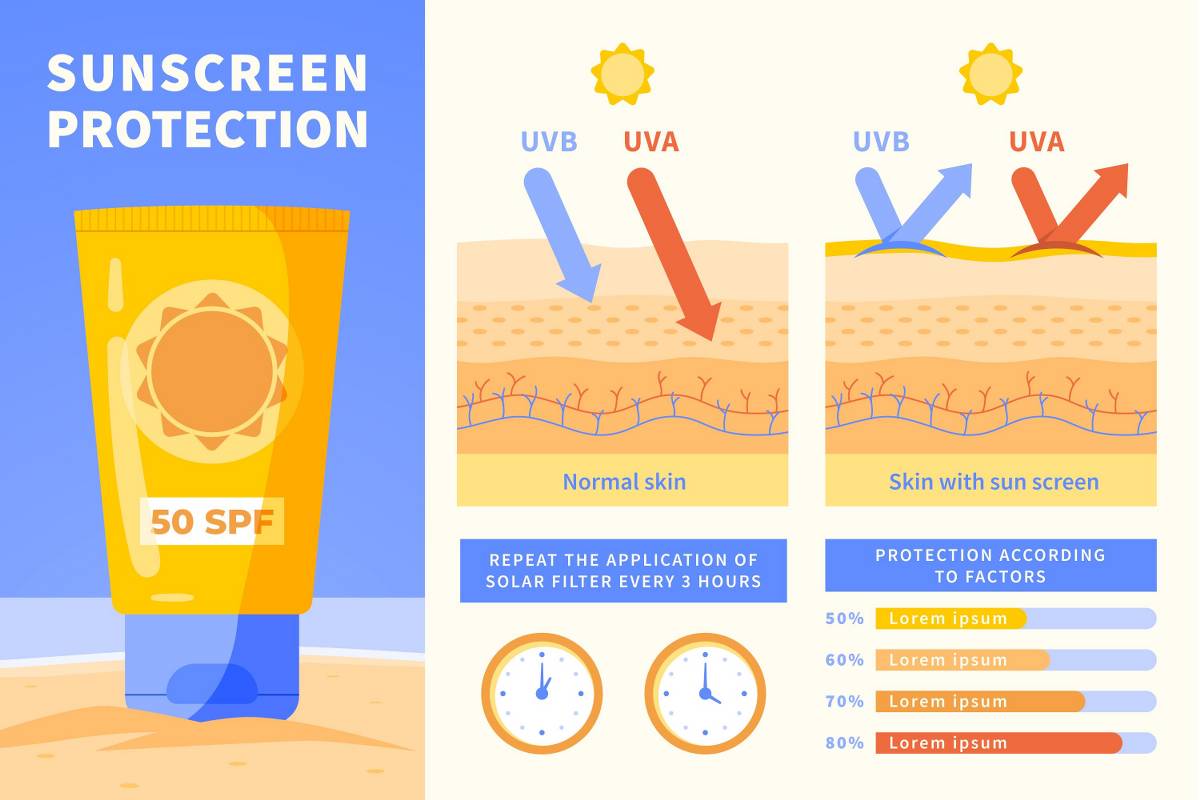
Applying sunscreen to the body is essential, since hot weather accompanied by strong UV radiation occurs in almost every season — whether it's summer, rainy season, or winter, it's hot nearly all year round. So it's no surprise that women always carry sunscreen with them just like their regular moisturizer, and adjust it to suit the weather and their age at the time. In summer, for instance, a gel-type sunscreen should be used to help reduce pore clogging, especially on areas exposed outside clothing such as the arms, legs, and neck.
Since Thailand is a hot country with fairly intense sunlight, it contains both UVB rays, which cause sunburn, and UVA rays, which damage the skin and are the main cause of wrinkles and premature skin aging from the sun. UVA1 rays in particular are the most concerning, since sunlight is made up of up to 75% UVA1, 20% UVA2, and only 5% UVB.
Furthermore, UVA1 rays can damage the skin's DNA structure and penetrate the skin the most deeply. This means that even if we wear a hat, carry an umbrella, or stay indoors, UVA1 rays can still damage the skin.
Choosing the right sun-protection product is important, especially selecting the correct SPF value, so as not to cause harm to our skin. Products come with different SPF values to choose from depending on your needs. Today we'll show you how to choose the SPF value that's right for you.
First, let's get to know SPF. SPF stands for Sun Protection Factor, a value that indicates the level of protection the skin gets from UVB rays. Let's look at how long sunscreen can protect the skin from the sun, using a simple calculation.
SPF value x M value = the optimal duration of sun protection (the M value is the melanin value for Thai skin, which is generally around 20). So if we choose SPF30, that works out to 30x20=600 minutes, or roughly (10 hours).
Examples of SPF Values and Protection from UVB Rays
- SPF 2 absorbs 50% of UVB
- SPF 4 absorbs 75% of UVB
- SPF 8 absorbs 87.5% of UVB
- SPF 15 absorbs 93.3% of UVB
- SPF 20 absorbs 95% of UVB
- SPF 30 absorbs 96.7% of UVB
- SPF 45 absorbs 97.8% of UVB
- SPF 50 absorbs 98% of UVB
Steps for Applying Sunscreen
How you apply sunscreen is also an important factor in getting the most effective results. The correct order starts with water-based toner, followed by gel, serum, cream, and finally sunscreen. Then wait about 15 minutes before heading out into the sun. Applying it in the wrong order will reduce its effectiveness.
Research data shows that 98% of people use sunscreen the wrong way.
Which Sunscreen Should You Choose for Your Face and Body?
For facial sunscreen, besides an SPF of 50, another equally important factor is the PA value, which helps protect the skin from UVA rays — the cause of wrinkles, premature-looking skin, freckles, melasma, and dark spots.
As for applying sunscreen to the body correctly and appropriately for Thai skin, a sunscreen with an SPF of around 15-30 is sufficient. A higher SPF than this can easily clog pores and cause breakouts. Sunscreen should be used in the right amount — squeeze out about two pinky-finger joints' worth of cream, then gradually blend it evenly over the face. But the key point many women often miss is reapplying the right amount every 2-3 hours, since the chemicals that protect skin from the sun only remain effective for about 2-3 hours. If we apply sunscreen only once in the morning, there's no doubt we're among the 98% who use sunscreen incorrectly.
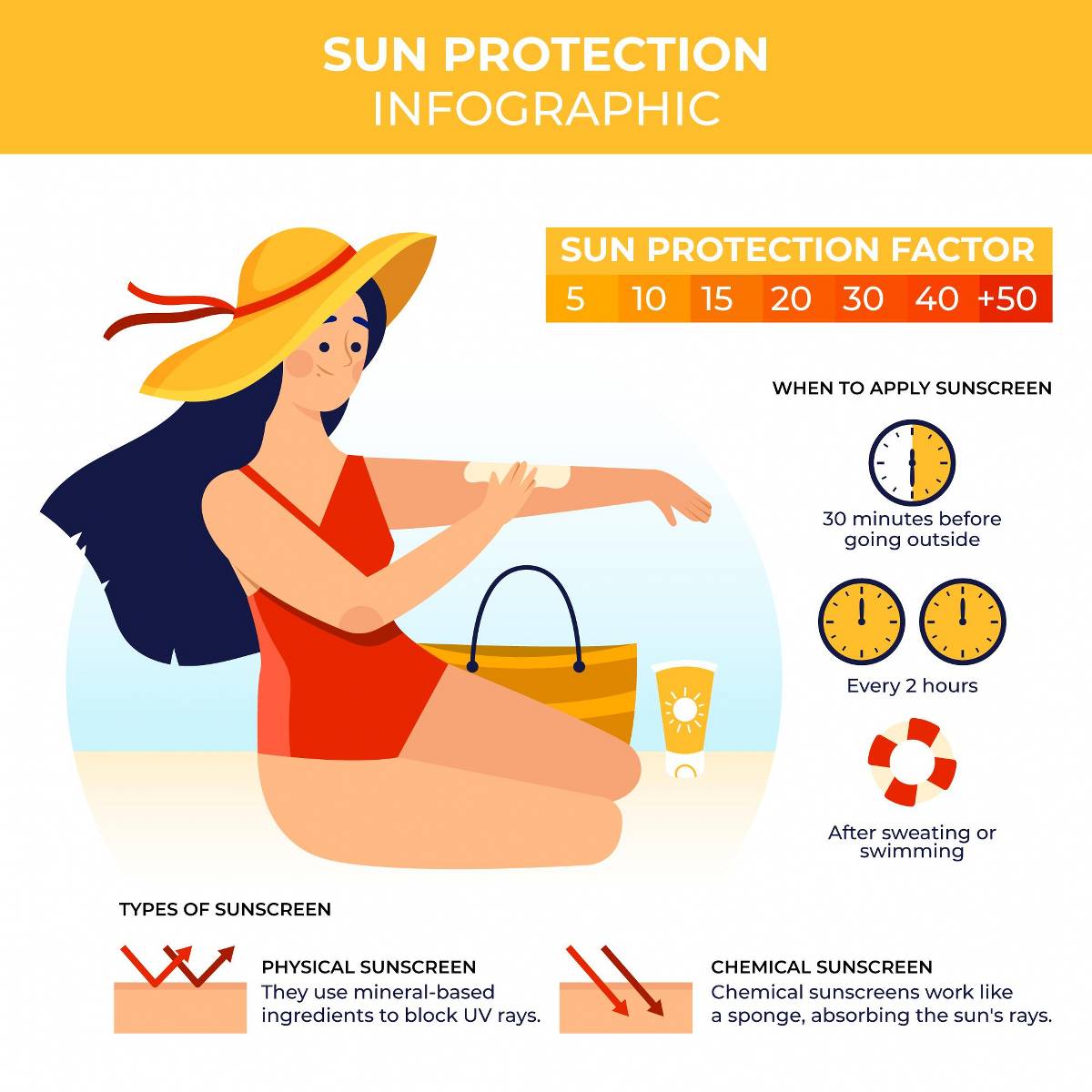
"Sunscreen use depends on your daily life "
Choosing sunscreen suited to your activities and applying it correctly for each individual will make protecting your skin from the sun even more effective.

How to choose right color for each different skin color
This will guide and recommend you which color you should wear to make you shine bright in particularly difference in skin color.

5 Winter Styling Techniques to Look Chic for Girls
They say winter is the season for a fashion show straight from your closet, since you can wear things that would look odd in summer or the rainy season during winter like this.

Inviting Girlfriends to Cook Healthy Clean Food
Taking care of yourself isn't just about the outside — the inside matters just as much, and diet is a major factor in health. If you want beautiful skin from the inside out, plus no body odor, let's try making clean food together.