

What Is UV Radiation? And What Exactly Is the UV Index?

Let's get to know sunlight and the different types of UV radiation—UVA1, UVA2, and UVB—and how they affect our bodies, plus what the UV Index we see in weather forecast apps is, and how to read it.
To help everyone understand more deeply the UV radiation found in sunlight, how each type of UV affects our skin, and how we can protect ourselves from these rays—but before we talk about UV radiation in sunlight, let's first get to know our skin a little.
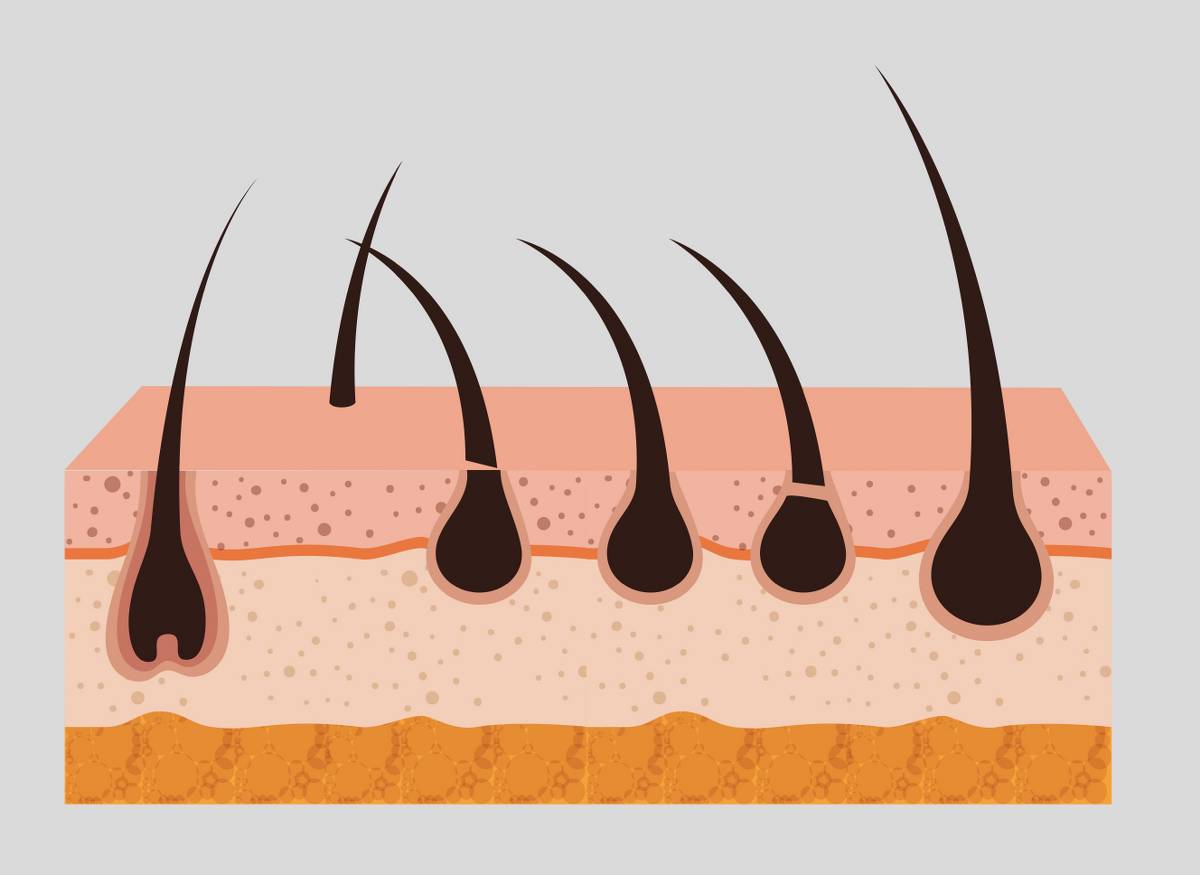
If we take a cross-section of human skin, we'll find that its structure is divided into 3 main layers, as follows:
1. Epidermis is the outermost layer of skin. It wraps and protects the body, preventing water from seeping in or out. It's made up of dividing epithelial cells that gradually change shape and move toward the topmost layer. When they reach the end of their lifespan, they're shed as dead skin flakes.
2. Dermis lies just beneath the epidermis, deeper into the skin. It's made up of collagen fiber structures, elastin fibers, sensory nerves, the lymphatic system, sweat glands, oil glands, blood vessels, and muscle. With so many components, this layer is extremely important, and problems like sagging or deep wrinkles also originate in the dermis.
3. Hypodermis (subcutaneous fat layer) is the innermost layer. It protects internal organs from impact and helps store energy. This layer consists of fat cells, nerves, blood vessels, and lymphatic vessels.
Now that we've gotten to know our skin, let's take a closer look at UV radiation.
What Is UV Radiation?
Sunlight is made up of 3 types of radiation: infrared radiation (heat), visible radiation (light), and invisible radiation (UV).
UV radiation (ultraviolet rays) or Ultraviolet radiation is a band of the electromagnetic spectrum with a wavelength shorter than visible light, which is why we can't see UV radiation with the naked eye. When divided by wavelength, the UV radiation that can pass through the ozone layer down to the earth's surface and affect people can be classified into 3 types:
1. UVA 400 nm - 315 nm UVA
2. UVB 315 nm - 280 nm UVB UVBUVA Sunburn
3. UVC 280 nm - 100 nm UVA UVB
All three types of UV radiation penetrate skin with different strength and cause damage at different levels, ranging from the most damaging—UVA1, UVA2—down to the least, UVB.
Something we may never have realized is that the amount of UVA1 radiation is almost the same whether it's the soft morning sun before 9 a.m. or midday sun, and whether it's winter or summer—meaning your beautiful skin is at risk of damage at any time. In other words, for women, sunlight is more of an enemy than a friend, so it's essential that we get to know UVA1 seriously: why it's the most harmful ray to women, how much and how deeply it can damage skin, and how we can protect against it.
Why UVA1 Is the Scariest
Of the UV radiation in sunlight, UVA1 makes up as much as 75%, UVA2 makes up 20%, and UVB only 5%. Besides being the most abundant, UVA1 also has the longest wavelength—the longer the wavelength, the deeper it can penetrate and damage skin. UVA1 can even damage the DNA structure of skin cells. What makes UVA1 so frightening, besides being the most abundant and penetrating the deepest, is that its intensity barely changes whether it's morning, midday, or evening. It can also pass through glass, walls, and clothing, meaning that even if you wear a hat and long sleeves to cover up, or sit indoors, UVA1 will still reach and damage your skin everywhere! No matter where or when you are, there's no escaping UVA1. Even as you sit reading this right now, your skin is gradually being damaged by UVA1 bit by bit. If left unchecked, what will happen to your skin? It's time to seriously protect yourself against UVA1 radiation!
What Is the UV Index
The UV Index, which we might see in weather forecast apps, is abbreviated as UVI. It's an index that measures the strength of UV radiation—the value rises as UV strength increases, ranging from 1 to 11+, and it varies by terrain, season, location, and time of day. Thailand's average UV level is fairly high, so whether you're going about your daily life or heading off on a trip, the UV intensity is much the same. So let's go over how to protect yourself when you have to head out into the sun.
How Can You Tell When the UVI Is High?
Here's a simple way to check: when you're out in the sun, look at your own shadow to see whether it's shorter or longer than you are. If it's shorter than you, that means the UV level is fairly high, since it's likely mid-morning, noon, or afternoon—you should get to shade quickly. But if your shadow is longer than you, that means the UV level is fairly low, from morning or evening sunlight. Or you can simply check the information on your own phone.
Times When You Need to Watch Out for the Sun Especially
To protect your skin, ladies, you should avoid the sun between 10 a.m. and 4 p.m., since UV levels during this period can reach as high as 8–14, which is considered a high level and can be dangerous for unprotected skin. If you don't have any errands outside, spend this time at home with the air conditioner on, watching TV or a series, or cleaning the house and vacuuming instead. If you don't yet have an air conditioner or a vacuum cleaner and are looking for one but aren't sure which to choose, you can see how to choose at Which air conditioner brand is best How to choose a vacuum cleaner

What Should You Do If You Have to Go Outside?
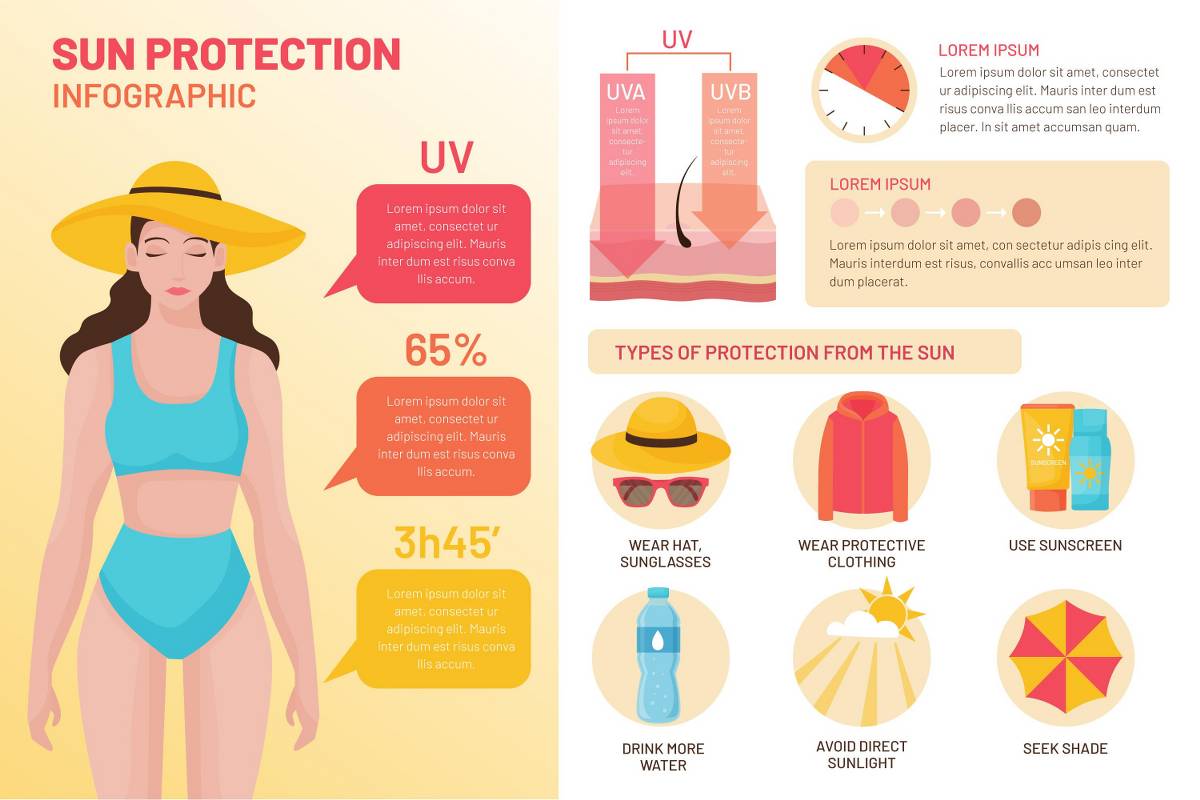
1. Wear clothing that helps block sunlight—the more tightly woven the fabric, the more protection it provides
2. Wear a wide-brimmed hat, or carry an umbrella that shades your neck as well
3. Wear sunglasses to protect your eyes and the delicate skin around them
4. Protect your skin with a serum with a high SPF, such as SPF50, every time before going outside, whether for a short or long time
And What Should You Do If You Have to Be in the Sun for a Long Time
It depends on the situation—whether it's going out for work, going on a trip, or even everyday life. If you have to face strong sunlight, we recommend finding a sunscreen with a high SPF that will help protect your skin during your daily routine or outdoor activities. If you need to be outdoors for a long time, you should reapply sunscreen every 2 hours.
Protecting your skin from sunlight isn't difficult at all, is it? To start, try to avoid sun exposure or staying in strong sunlight. If that's unavoidable, use an umbrella or wear a hat to help block the sun. That said, we still can't fully protect ourselves from both types of UV radiation in sunlight, which is why applying sunscreen is so important and necessary—sunscreen acts as an extra protective layer for our skin, helping to reflect or absorb the radiation and reduce the harm to our skin.

How to choose right color for each different skin color
This will guide and recommend you which color you should wear to make you shine bright in particularly difference in skin color.

5 Winter Styling Techniques to Look Chic for Girls
They say winter is the season for a fashion show straight from your closet, since you can wear things that would look odd in summer or the rainy season during winter like this.

Inviting Girlfriends to Cook Healthy Clean Food
Taking care of yourself isn't just about the outside — the inside matters just as much, and diet is a major factor in health. If you want beautiful skin from the inside out, plus no body odor, let's try making clean food together.